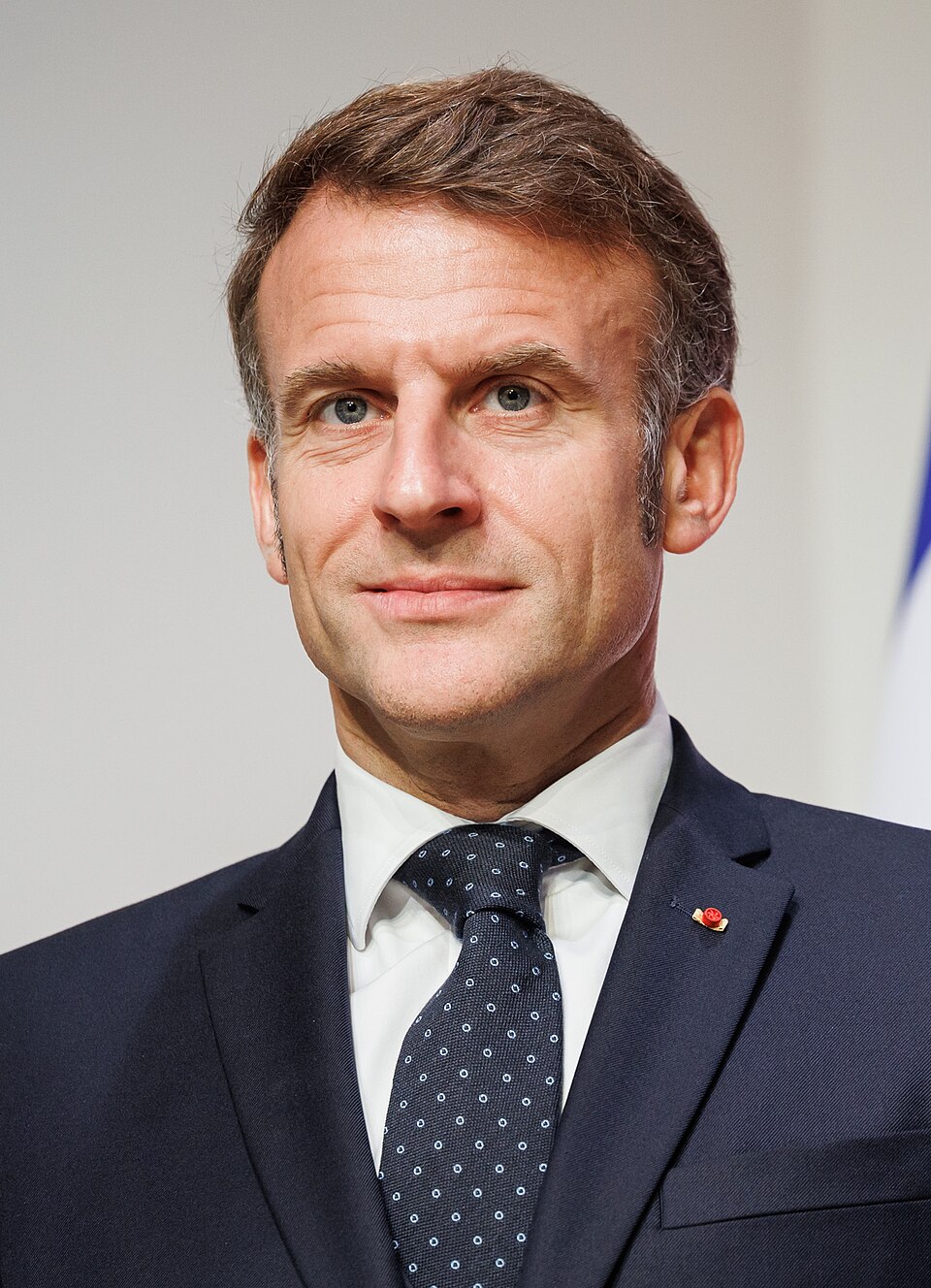
Macron Deploys Charles de Gaulle Carrier to Mediterranean: A Geopolitical Superproduction Unfolds
In a move that underscores France's unwavering commitment to regional stability and its strategic interests, President Emmanuel Macron has ordered the deployment of the nation's flagship aircraft carrier, the *Charles de Gaulle*, to the Mediterranean. This decisive action, accompanied by its comprehensive escort of frigates and air assets, signals a significant escalation of French military posture in response to the escalating situation in the Middle East. It’s a powerful demonstration of force and resolve, a true "macron superproduction" of strategic deployment designed to project power, deter aggression, and safeguard French and European interests amidst profound geopolitical uncertainty.
President Macron addressed the nation on Tuesday, articulating the necessity of this deployment in the face of an increasingly volatile security landscape. His announcement comes days after a war in the Middle East intensified, with concerns mounting over regional spillover. The presence of a nuclear-powered aircraft carrier, capable of projecting air superiority and rapid response capabilities, sends an unmistakable message about France's intent to be a proactive player in maintaining peace and protecting its citizens and allies. This isn't merely a military maneuver; it's a carefully orchestrated strategic statement on a grand scale.
A Decisive Naval Deployment to Counter Instability
The *Charles de Gaulle*, France's sole nuclear-powered aircraft carrier, is not just a vessel; it's a mobile airbase, a formidable symbol of power projection. Its deployment to the Mediterranean, a crucial crossroads of global geopolitics, directly addresses the instability following recent events in the Middle East. Accompanying the carrier are its integral air assets, including advanced Rafale fighter jets, and a robust frigate escort, forming a potent naval strike group capable of a wide range of operations, from deterrence to direct intervention.
This deployment is a direct response to the "unstable situation and the uncertainties of the coming days," as articulated by President Macron. A key catalyst for this heightened alert was a recent strike on a British air force base in Cyprus. Cyprus, an integral member of the European Union and a nation with which France shares a vital strategic partnership, received immediate French support. Beyond the *Charles de Gaulle*'s mission, France has also committed additional air-defense assets and the frigate *Languedoc* to the vicinity of Cyprus, further reinforcing its commitment to an EU ally under potential threat. This layered response highlights the depth and foresight of what many are calling a "macron superproduction" of military and diplomatic initiatives. For a deeper dive into France's comprehensive strategy, read
Understanding Macron's Strategic Military Move in the Mideast.
Broader French Strategic Posture in the Region
The *Charles de Gaulle*'s sailing is part of a much broader, integrated strategy that France has been implementing across the Middle East. In the hours preceding Macron's address, Rafale fighter jets, sophisticated air-defense systems, and airborne radar systems were already deployed in the region. This rapid response capability underscores France's commitment to maintaining a robust defensive posture.
France has a significant and long-standing military presence in the Middle East, particularly in the United Arab Emirates. Hundreds of French navy, air force, and army personnel are stationed there, with Rafale aircraft operating from Al-Dhafra base near Abu Dhabi. These forces are not just static assets; they are actively engaged in ensuring regional security. Foreign Minister Jean-Noël Barrot confirmed that these Rafale jets and their pilots have been "mobilised to ensure the security of our facilities" and have "carried out operations to secure the airspace above our bases." This proactive engagement became particularly relevant after a hangar at a French base in the UAE was reportedly hit by a drone, prompting swift French action to neutralize Iranian drones and secure its installations. The ongoing exchanges to bolster defense against future attacks and protect French interests exemplify the ongoing strategic "macron superproduction" that is shaping France's presence in the volatile region. For more details on the ramp-up, see
France Ramps Up Middle East Defense: Carrier & Rafale Deploy.
Macron's Vision: Protecting Interests and Regional Stability
President Macron's strategic calculus extends beyond immediate defense; it encompasses a broader vision for regional stability and the protection of French and European interests. During a meeting of France's defence council, he articulated clear objectives: to protect French nationals and bases, and to support countries in the region facing threats, particularly those targeted by Iran in retaliation for Israeli-US strikes.
The deployment of the *Charles de Gaulle* serves multiple purposes:
- Deterrence: A strong military presence acts as a deterrent against further aggression and destabilization efforts.
- Power Projection: It demonstrates France's capacity to project significant military force far from its shores, reinforcing its status as a major global power.
- Alliance Support: It reassures allies like Cyprus and partners in the UAE of France's steadfast support.
- Freedom of Navigation: The Mediterranean is a vital shipping lane, and the presence of a powerful naval group helps ensure security for international maritime traffic.
- Crisis Response: It provides a flexible asset for rapid humanitarian aid or military intervention should the situation demand it.
This multi-faceted approach showcases the comprehensive nature of France's commitment under Macron's leadership, truly reflecting the strategic depth and breadth of a "macron superproduction" on the international stage.
Actionable Insights & The Road Ahead
For those observing the unfolding geopolitical landscape, understanding the implications of such a significant deployment is key. France's decision is not isolated; it's a calculated move within a complex web of international relations.
*
Understand the Stakes: The Middle East remains a crucible of global tensions. France's actions highlight the immediate and palpable risks, from direct military threats to economic disruption.
*
Observe Alliance Dynamics: Pay attention to how this French deployment influences other NATO and EU member states. Will it encourage similar actions or coordinated diplomatic efforts?
*
Recognize Power Projection: An aircraft carrier is the ultimate tool of power projection. Its movement alone signals serious intent. This should be viewed as a clear statement that France is willing to back its diplomatic positions with credible military force.
*
Geopolitical Foresight: France's strategy aims to preempt further escalation. Its proactive stance seeks to create a buffer against unpredictable events and protect its considerable investments and personnel in the region.
The coming days will undoubtedly test the resolve of all parties involved. France's "macron superproduction" in the Mediterranean is a testament to its determination to navigate these turbulent waters with strength and strategic foresight.
In conclusion, President Emmanuel Macron's decision to deploy the *Charles de Gaulle* carrier group to the Mediterranean is a bold and strategic move, signifying a robust French response to heightened Middle Eastern tensions. This comprehensive military and diplomatic effort, a true "macron superproduction," is aimed at protecting national interests, safeguarding European allies, and asserting France's role as a key player in maintaining regional stability. As the situation evolves, the eyes of the world will be on the *Charles de Gaulle* and the wider French strategic posture, watching how this decisive action influences the future trajectory of one of the world's most volatile regions.